Aside from its impact on tourism and daily business operations, continued power outages caused by Northern Davao Electric Cooperative’s inefficiency could trigger a four-fold financial downturn—not only on Island Garden City of Samal (IGACOS) but across the entire Davao del Norte.
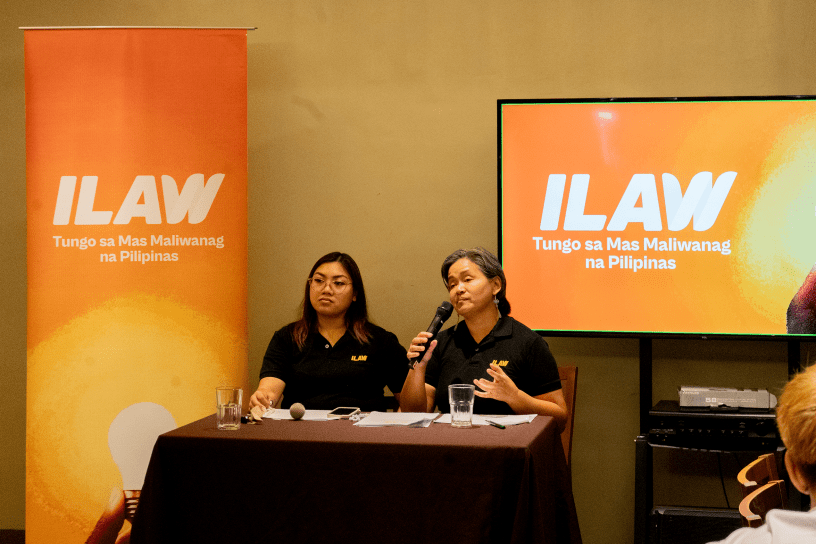
Business owners from IGACOS raised this concern during a focus group discussion (FGD) organized by the energy consumer organization ILAW, expressing deep worries about the long-term economic consequences of power instability.
The FGDs were carried out to determine and assess the energy challenges affecting the said areas, in order to provide data-driven recommendations for local and national policymakers in aiding tourism businesses.
“The lack of immediate solutions from NORDECO will have lasting effects on the island and the province, leading to a loss of investor confidence and hampering efforts to create job opportunities and sustain economic growth,” a business owner said on condition of anonymity for fear of backlash.
NORDECO has also drawn criticism from FGD participants, earning an average rating of 2.45, reflecting widespread dissatisfaction with its unreliable service.
“Frequent and prolonged blackouts have disrupted the tourism industry, which is the lifeblood of businesses in the area, and the way of life on the island,” an FGD participant pointed out.
“On top of this, NORDECO has failed to improve its response time to consumer complaints. To make matters worse, they are very strict when it comes to payment policies despite their unreliable service,” another business owner added.
They also lamented the lack of long-term action from the local government to address power issues despite complaints from businesses and consumers.
ILAW, for its part, called on the Department of Energy (DOE) and the Energy Regulatory Commission (ERC) to impose stricter accountability measures on electric cooperatives operating in tourism hubs.
“Continued power instability threatens business sustainability, job security, and the long-term growth of the tourism sector. If this persists, businesses will have no choice but to shut down, leaving many without jobs,” ILAW national convenor Beng Garcia warned.
“There is also a need for penalties for service failures and the implementation of mandatory compensation policies to protect affected businesses,” ILAW youth convenor Francine Pradez added.
The group also recommended investing in renewable energy, community microgrids, and energy storage systems to provide more reliable power to tourism zones.
The organization also emphasized that close coordination between the Department of Tourism (DOT), DOE, and the ERC is essential to effectively represent the tourism sector’s interests in energy planning.
NORDECO’s inefficiency could trigger a four-fold financial downturn in Davao del Norte, businesses warn